Tool Comparisons
Why Podcasters Are Ditching Kapwing in 2026
The Best Kapwing Alternative for Podcasters in 2026

Yao Ming
Co-Founder & CEO
TL;DR
Videotto and Kapwing both help creators turn long-form recordings into short social clips, but they are built on entirely different philosophies. Videotto is a purpose-built AI clipping engine that automatically generates at least 40 clips per 60-min upload. Kapwing is a traditional, browser-based timeline editor that has bolted on AI features, requiring heavy manual adjustments and frequent browser lagging on large files.
Join thousands of brands growing their audience with Videotto







If you record a podcast or coaching session weekly, you already have everything you need to post short-form video daily. The bottleneck is the 3 to 6 hours it takes to manually clip, caption, format, and render the highlights.
AI clipping tools solve that, but not equally. Kapwing is a household name for online video editing, offering a massive suite of traditional timeline tools. Videotto, on the other hand, is built specifically for long-form speech content where automated clip yield and speed matter most. After processing thousands of uploads, we have found that Kapwing's heavy browser-based editor creates massive friction and lag for podcasters trying to process 60-minute, high-resolution files.
This comparison covers workflow speed, automated clip yield, and the structural difference that determines which tool is right for your publishing volume.
01 — Context
Why this comparison matters for podcasters in 2026
Industry Context
The distribution gap is killing podcast growth
Over 4.5 million podcasts are indexed globally, only 10 to 11% active. (Teleprompter.com, 2025) The gap between growing and stalling shows is almost always distribution, not content quality.
Short-form clips drive 20 to 40% of new audience acquisition for video podcasts. (NewMedia.com, 2025) Publishing with zero clips is publishing with no promotion.
85% of social video is watched without sound. (Meta, 2025) Auto-captions are the baseline for any clip to perform on any platform.
A podcaster billing a freelance editor at USD $50/hr spends USD $200 to $250 per episode on clipping and captioning. (Beverly Boy Productions, 2025) Both tools aim to reduce that cost, but their workflows dictate how much of your own time you actually save.
02 — Definition
What is an AI video clipping tool?
An AI video clipping tool is software that automatically analyses a long-form video recording, identifies the highest-engagement moments, cuts those moments into short vertical clips, applies captions, reformats to 9:16 for TikTok, Instagram Reels, and YouTube Shorts, and exports them ready to post.
Unlike traditional browser-based video editors (like Kapwing), true automated AI clipping requires no timeline skills. You upload the file, the AI processes it completely, and you simply review and export. With traditional editors, you are still manually dragging playheads, resizing canvases, and fighting with sluggish browser memory.
For a 2-minute clip, Videotto generates auto-captions and reformats the layout in about 1 minute. Kapwing can take significantly longer just to load a 60-minute source file into your browser before clipping even begins.
Quick comparison
| Task |  |  |
|---|---|---|
| Clips per 60-min video | At least 40 | Manual / AI-assisted (Variable) |
| Workflow Style | Automated AI clipping engine | Traditional browser timeline editor |
| Performance | Cloud-processed, fast loading | Browser-heavy, lags on large files |
| Language selection | 99+ languages | 70+ languages |
| Editor features | Purpose-built clipping UI | Full traditional timeline editor |
| Pricing from | USD $15/mo | USD $16/mo (Pro) |
03 — Step by Step
How each tool works: step by step
Step 1: AI analysis and clip generation
How each tool finds the best moments
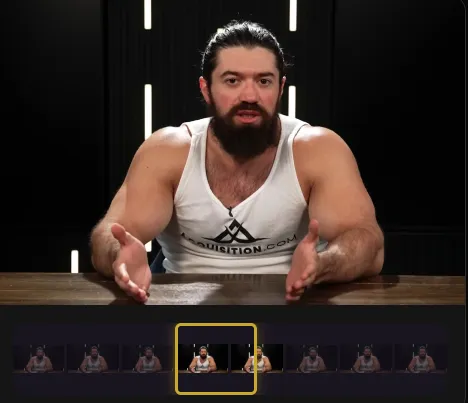
After uploading, Videotto's AI scans your entire recording in the cloud and automatically surfaces at least 40 clip suggestions from a 60-minute podcast, each cut at a natural speech stopping point.
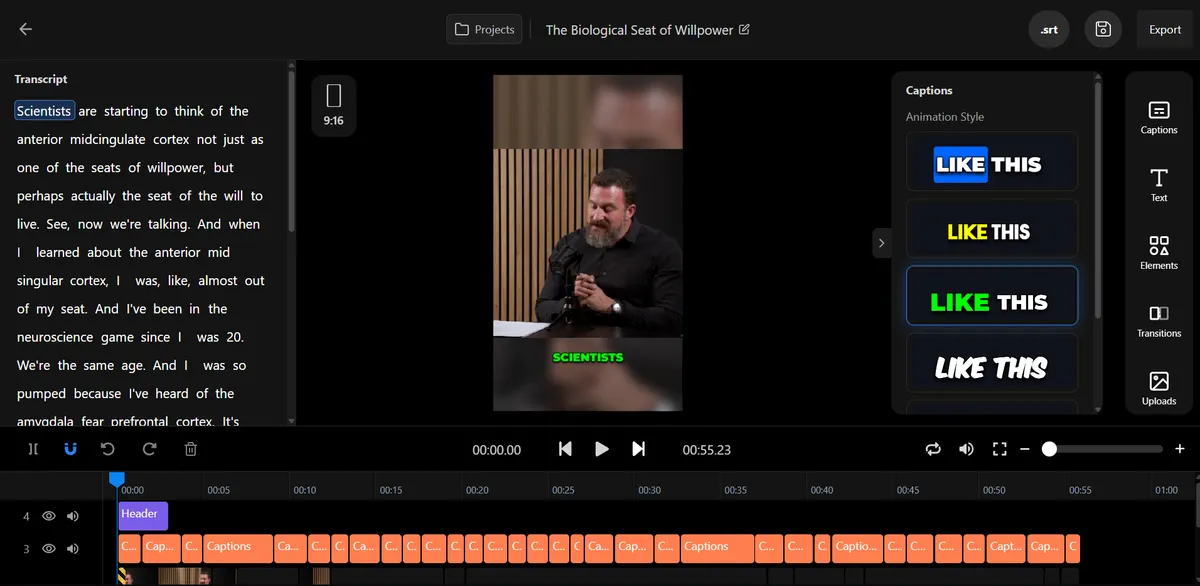
Kapwing requires you to upload your file to their studio timeline. From there, you use their "Find Highlights" tool or edit via their text-based transcript. Because Kapwing renders heavily in your browser, processing a 60-minute 4K video often leads to stuttering playback and slow UI response times.
Step 2: Review and caption
Auto-captions and clip review
For a 2-minute clip, Videotto generates highly accurate, context-aware auto-captions in about 1 minute with your brand preset perfectly applied. Kapwing also offers solid auto-subtitles, but adjusting them requires navigating a complex, multi-track timeline that can feel overwhelming if you just want to fix a single typo.
Step 3: Export and publish
Export ready for every platform
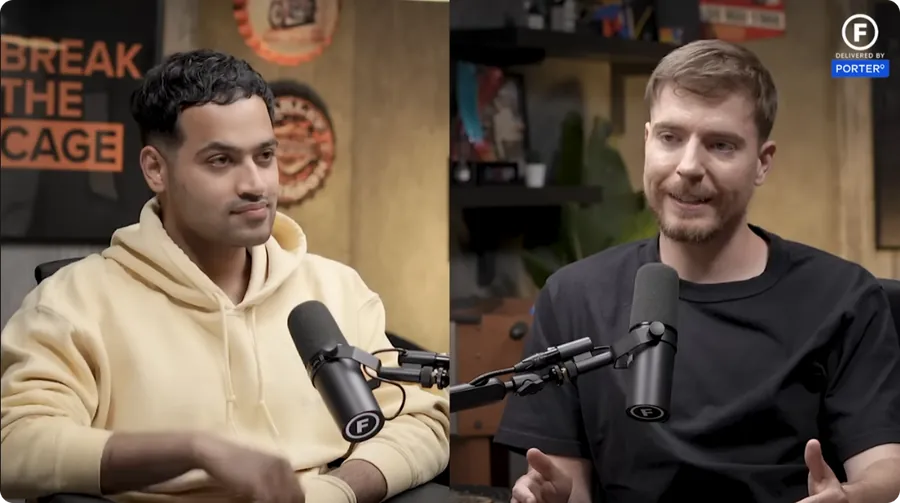
Videotto: automatically formats the speaker layout to a perfect 9:16 vertical canvas for TikTok, Reels, and Shorts. Download and post in seconds.
Kapwing: often requires you to manually resize the project canvas to 9:16, drag your video elements to fit the frame, and adjust the safe zones manually before exporting.




04 — Key Findings
Editing power and browser performance set the tools apart





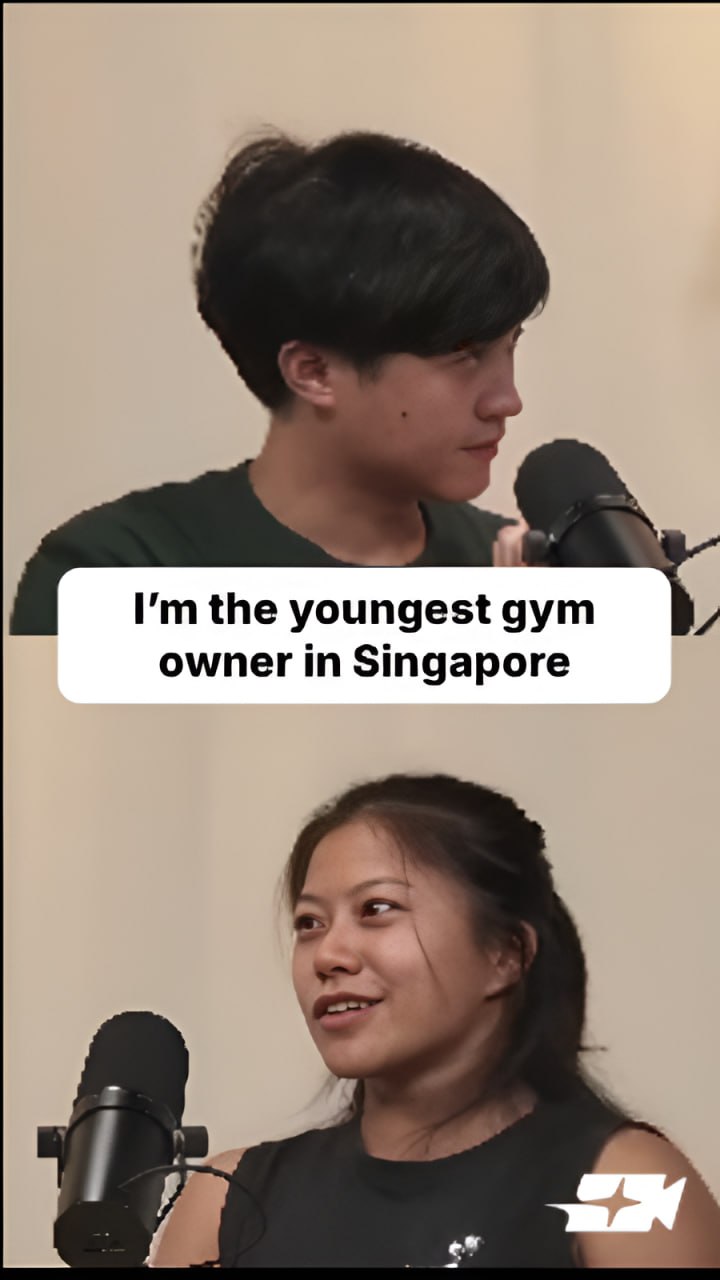






After testing both tools on hundreds of podcast episodes, the biggest differentiators are workflow friction and browser performance.
Kapwing is fundamentally a traditional video editor living in your browser. It gives you incredible power—you can add multiple video tracks, complex custom animations, and intricate sound design. However, this power comes at a steep cost: browser lag. Throwing a 2GB, 60-minute podcast file into Kapwing will severely test your computer’s RAM, causing the platform to stutter and freeze.
Videotto is purpose-built for speed and volume. It operates entirely in the cloud as a clipping engine, meaning it never bogs down your local browser. It strips away the unnecessary complexity of a multi-track timeline, giving you a clean, fast interface to review your 40+ generated clips, apply context-aware translations across 99+ languages, and export immediately.
05 — Verdict
Who should use each tool?
Consider Videotto if...
You want automated high-yield clipping and a fast, frictionless workflow
You regularly upload large, 60-minute+ files and are tired of your browser crashing. You want an AI that does the heavy lifting, delivering 40+ perfectly framed, captioned clips without requiring you to manually resize canvases or drag timeline playheads.
Consider Kapwing if...
You need a full traditional video editor in your web browser
You want to do heavy, manual editing with multiple camera angles, complex asset overlays, and intricate sound design. You do not mind spending extra time manually adjusting aspect ratios, and you have a powerful enough computer to handle heavy browser-based rendering.
Try Videotto Today→
Purpose-built for podcast clipping. Upload your next episode and get up to 40 clips in under 15 minutes.
🚀
Ready to Transform Your Content?
Start creating viral clips from your podcasts today. No complex software, no steep learning curve, just results.
Setup in Minutes
Cancel Anytime
Related posts
Explore more video marketing tips, AI editing guides, and podcast repurposing strategies from the Videotto team.