Tool Comparisons
Why Podcasters Are Ditching Vizard in 2026
The Best Vizard Alternative for Podcasters in 2026

Yao Ming
Co-Founder & CEO
TL;DR
Videotto and Vizard both turn long-form video recordings into short-form social clips using AI, but they are built for different workflows. Videotto is significantly faster end-to-end, offers a full timeline editor, and delivers more accurate transcriptions. Vizard's editing suite is limited, its transcription accuracy trails behind, and the overall speed of processing puts high-volume podcasters at a disadvantage.
Join thousands of brands growing their audience with Videotto





If you record a podcast or coaching session weekly, you already have everything you need to post short-form video daily. The bottleneck is the 3 to 6 hours it takes to manually clip, caption, and reformat the highlights.
AI clipping tools solve that, but not equally. Vizard has built a recognisable brand in the AI video clipping space. Videotto is built for long-form speech content where speed, editing depth, and transcription accuracy matter most. After processing thousands of uploads, we have found that Vizard's limited editor and lower transcription accuracy create friction that catches high-volume podcasters at the worst possible moment,mid-workflow.
This comparison covers speed, editing features, transcription quality, and the structural difference that determines which tool is right for your publishing volume.
01 — Context
Why this comparison matters for podcasters in 2026
Industry Context
The distribution gap is killing podcast growth
Over 4.5 million podcasts are indexed globally, only 10 to 11% active. (Teleprompter.com, 2025) The gap between growing and stalling shows is almost always distribution, not content quality.
Short-form clips drive 20 to 40% of new audience acquisition for video podcasts. (NewMedia.com, 2025) Publishing with zero clips is publishing with no promotion.
85% of social video is watched without sound. (Meta, 2025) Auto-captions are the baseline for any clip to perform on any platform,which makes transcription accuracy a make-or-break feature, not a nice-to-have.
A podcaster billing a freelance editor at USD $50/hr spends USD $200 to $250 per episode on clipping and captioning. (Beverly Boy Productions, 2025) Both tools eliminate that cost. The question is which tool fits your workflow without adding new friction.
02 — Definition
What is an AI video clipping tool?
An AI video clipping tool is software that automatically analyses a long-form video recording, identifies the highest-engagement moments, cuts those moments into short vertical clips, applies captions, reformats to 9:16 for TikTok, Instagram Reels, and YouTube Shorts, and exports them ready to post, without any manual timeline editing. Unlike traditional video editors such as Premiere Pro or DaVinci Resolve, these tools require no editing experience and no timeline skills. You upload the file, the AI processes it, and you review and export the clips.
For a 2-minute clip, Videotto generates accurate auto-captions in about 1 minute. Vizard takes significantly longer for the same clip,a gap that compounds quickly across a full episode's worth of clips.
Quick comparison
| Task |  |  |
|---|---|---|
| Clips per 60-min video | At least 40 | 10 to 25 |
| Translation accuracy | Context-aware translation | Direct translation |
| Language selection | 99+ languages | 99+ languages |
| Editor features | Full timeline editor | Basic trimming |
| Pricing from | USD $15/mo | USD $14.50/mo |
03 — Step by Step
How each tool works: step by step
Step 1: AI analysis and clip generation
How each tool finds the best moments
After uploading, Videotto's AI scans your entire recording and surfaces at least 40 clip suggestions from a 60-minute podcast, each cut at a natural stopping point.
Vizard scans through your video and typically finds 10 to 25 clips from the same upload, each with a Virality Score.
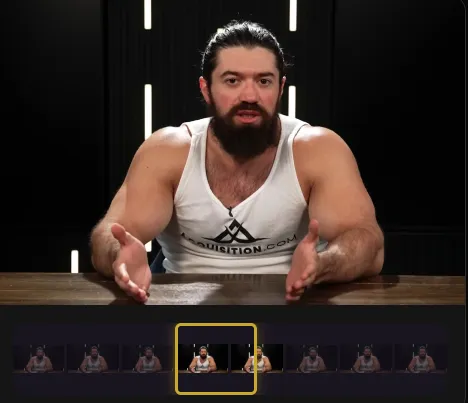
Both tools start the same way: you upload a video file or paste a link, and the AI processes it. After uploading, the differences begin,in speed, volume, and the accuracy of what comes next.
Step 2: Auto-captions and clip review
Where transcription accuracy becomes critical
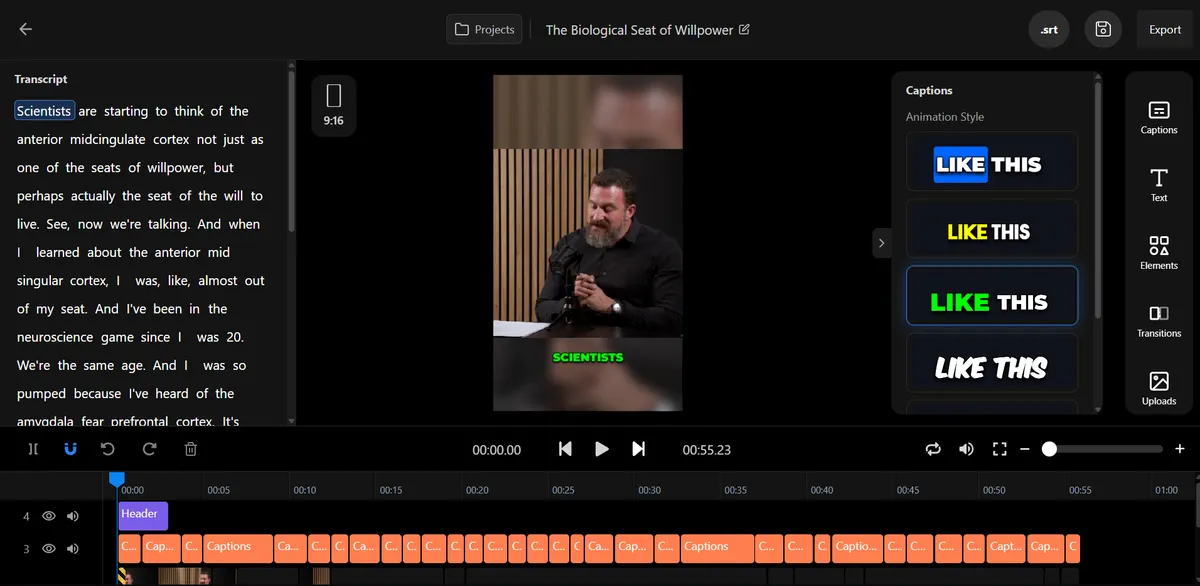
For a 2-minute clip, Videotto generates accurate auto-captions in about 1 minute. Vizard takes significantly longer for the same clip,and speed is only half the issue. Vizard's transcription accuracy is noticeably lower, particularly with accents, technical vocabulary, and overlapping speech common in podcast interviews.
Inaccurate captions are not just a cosmetic problem. On platforms where 85% of video is watched without sound, captions that misrepresent what was said create a poor viewer experience, erode credibility, and require manual correction,putting editing time back into the workflow that the tool was supposed to eliminate.
Step 3: Export and publish
Export ready for every platform
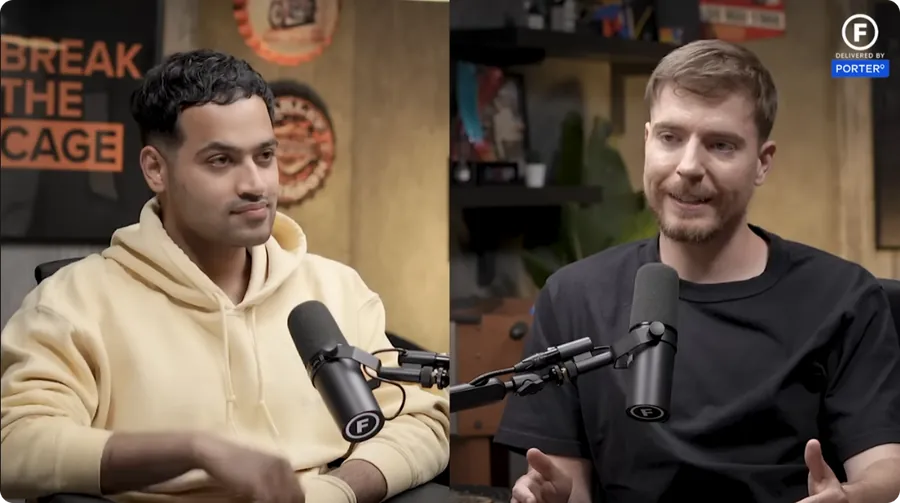
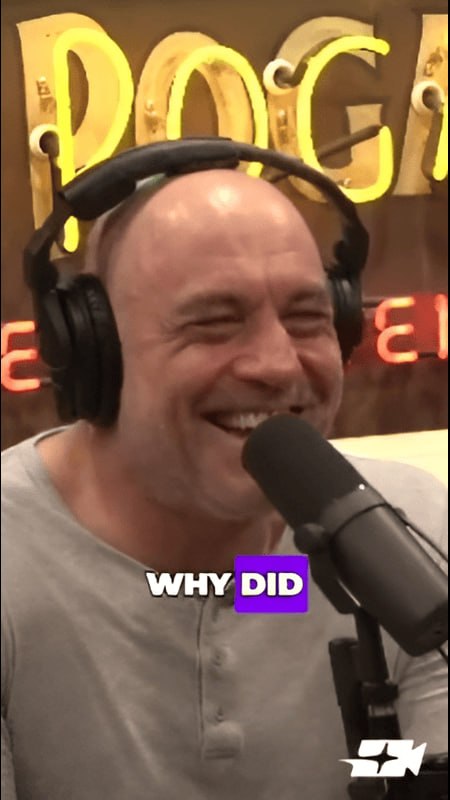
Videotto: exports in 9:16 vertical for TikTok, Reels, and Shorts. Download and post to any platform you choose.
Vizard: exports in multiple aspect ratios. Direct posting to YouTube, TikTok, Instagram, Facebook, Twitter/X, and LinkedIn.



04 — Key Findings
Speed, editing power, and transcription set the tools apart


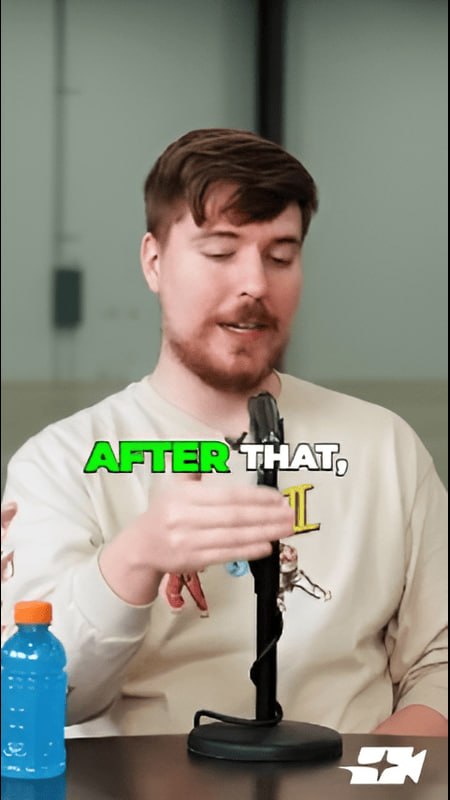

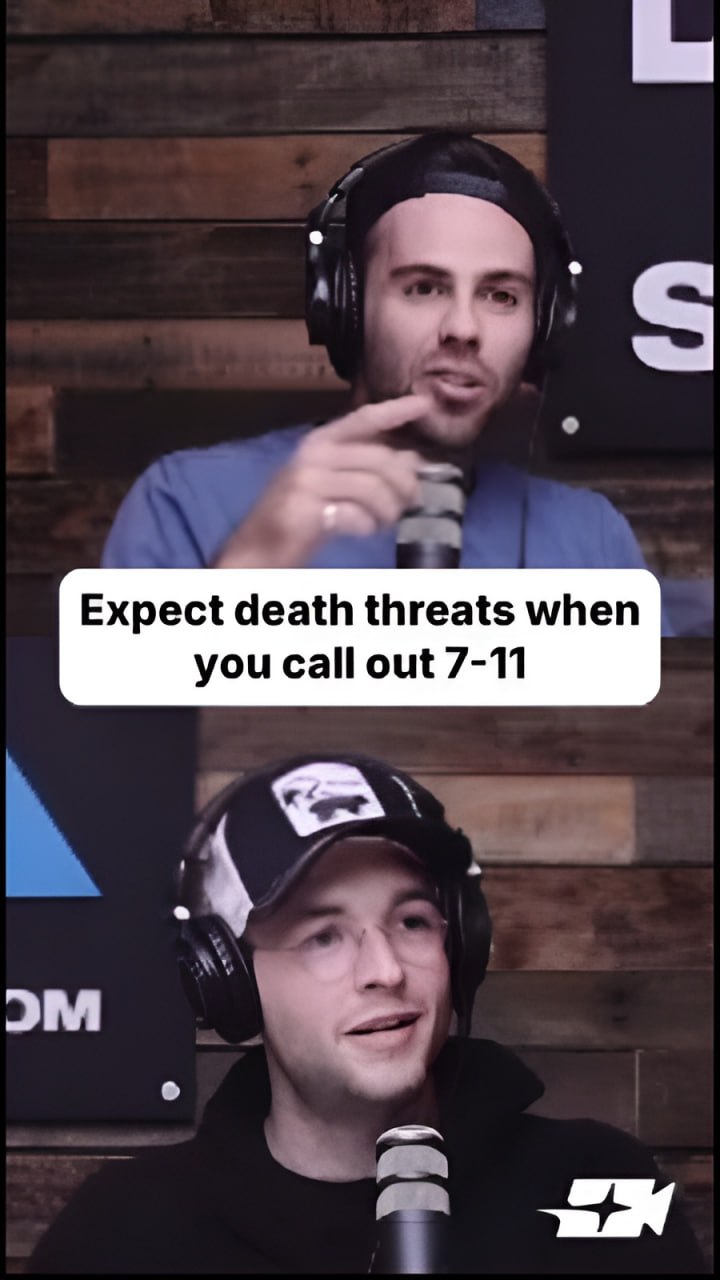



After testing both tools on hundreds of podcast episodes, three gaps stand out. Videotto is significantly faster end-to-end, with caption generation taking about 1 minute per 2-minute clip versus considerably longer on Vizard. Videotto includes a full timeline editor for frame-by-frame trimming, B-roll, and caption styling in one place, while Vizard offers basic trimming only. Videotto's transcription is more accurate with accents, jargon, and multi-speaker content, and its context-aware translation across 99+ languages reads more naturally than Vizard's direct translation across 30+. For high-volume podcasters, these differences compound across every episode.
05 — Verdict
Who should use each tool?
Consider Videotto if...
You want quality editing features and accurate translation
You need a full timeline editor to fine-tune clips before posting. You want context-aware translation across 99+ languages that reads naturally. You care about the quality of every clip, not just the quantity.
Consider Vizard if...
You want sheer quantity of clips with virality ranking
You want as many clip suggestions as possible and prefer to sort by predicted engagement using the Virality Score. You are comfortable with basic trimming and direct translation for simpler content.
Try Videotto Today→
Experience speech-first AI clipping. Upload your next podcast and get up to 40 clips in under 15 minutes.
🚀
Ready to Transform Your Content?
Start creating viral clips from your podcasts today. No complex software, no steep learning curve, just results.
Setup in Minutes
Cancel Anytime
Related posts
Explore more video marketing tips, AI editing guides, and podcast repurposing strategies from the Videotto team.