To make an animated title sequence, write the show title and a one line tone such as calm investigative documentary, then plan three to five designed shots that build to the title. Keep it 5 to 10 seconds for online series, set the title in one distinctive typeface, add a signature sound, and finish on an episode card.
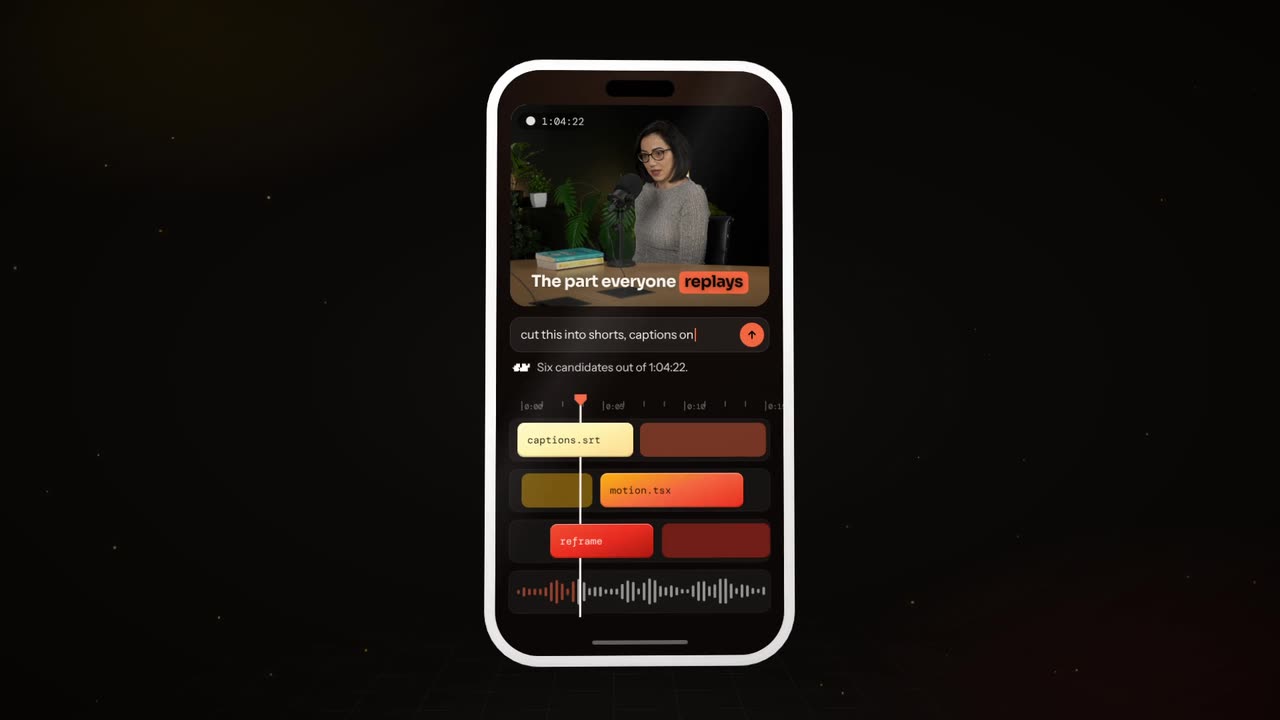
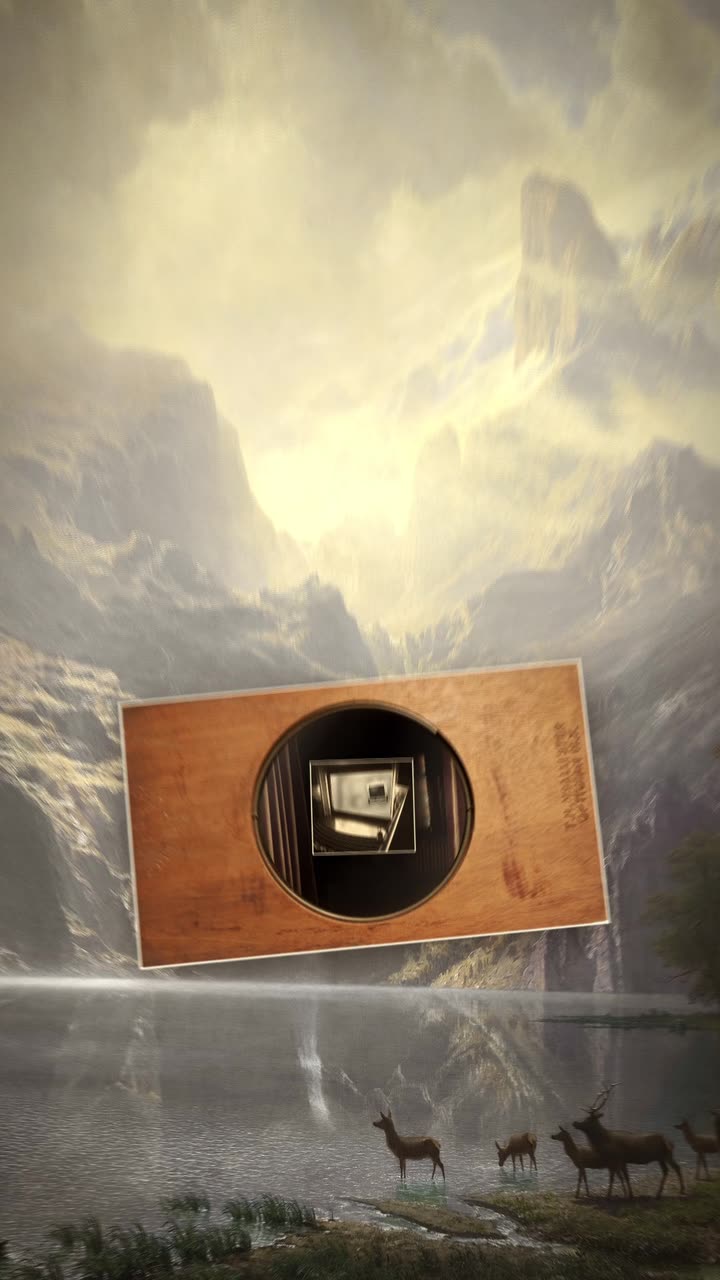
Real outputs from the Videotto template gallery.
Anatomy of a series title sequence
A title sequence is a promise about the show. Every part of it should match what follows, from the pace of the shots to the weight of the type.
| Part | What it looks like | How to ask for it |
|---|---|---|
| Title | The show name, large, in a distinctive typeface | "the title in wide spaced all caps" |
| Shots | Three to five designed shots that hint at the theme | "three quick shots: a map, a clock, a city at night" |
| Motion | Calm and slow, or fast and punchy, matching the show | "slow, cinematic moves" |
| Colour | The palette of the show | "black and white with one red accent" |
| Sound | A short signature sting or theme | "a short signature sound, the same every episode" |
| Episode card | Episode number and title after the main title | "then the episode title in small type" |
Five common styles cover most shows. Cinematic documentary: slow moves over textures, maps and archival style images, then the title fades up. Mission control: black background, thin line drawings, a running clock, wide spaced caps. Kinetic type: the title assembled from moving words on the beat. Retro TV: VHS texture and a channel flick, for nostalgic or comedy shows. Minimal brand: the logo, one move, the title, in two seconds.
Worked example: an 8 second documentary title sequence
An illustration for a fictional documentary series called THE LONG ROAD, about towns along an old trade route. Tone: calm investigative documentary.
| Time | Shot | Sound |
|---|---|---|
| 0 to 2 s | Slow push over an old paper map, a dotted route begins to draw | Low drone fades in |
| 2 to 4 s | Dissolve to a dusty road at dawn, grain texture | A single plucked note |
| 4 to 5.5 s | A compass needle swings and settles | Second note |
| 5.5 to 7 s | Black, THE LONG ROAD in wide spaced white caps, a thin red line underneath | Third note resolves the phrase |
| 7 to 8 s | Episode card: "Episode 3, The Salt Town" | Drone fades |
Three shots, one title, one card, and a three note sting that will be familiar by episode two. The map, the road and the compass each say "journey" without a word. For shorts, the same series gets a 1 second version: just the title snapping in with the last note.
How to make a title sequence in 6 steps
- Write the title and the tone. "THE LONG ROAD, calm investigative documentary." One line of tone shapes every other choice.
- Pick three to five images. Symbols of the show: a map and a road for travel, a chart for money, a whistle for sports. Each shot gets 1.5 to 2 seconds.
- Choose the type. Wide spaced caps, a bold condensed face or an elegant serif. It becomes the show's signature, so pick once.
- Set the length. 5 to 10 seconds for an online series. Longer only for feature length films or a season premiere.
- Add the signature sound. A short theme or sting that is recognisable in its first second.
- Design the episode card. Episode number and title in the same type, smaller, held for about 1 second.
Title sequence prompt for Otto
Adapted from real requests Videotto users sent to Otto. Swap in your show name, tone and three images.
Make an 8 second animated title sequence for my series, 16:9.
Title: [SHOW NAME]. Tone: [for example calm investigative documentary].
Three slow shots that build to the title: [image 1], [image 2], [image 3].
Title in wide spaced all caps, white on black, with one [accent colour] accent line.
Then a small episode card: Episode [number], [episode title].
A short signature sound I can reuse every episode.
Also make a one second version for shorts.
Shorter title sequence prompts
- "Make me a fast paced intro with vibrant colours and quick flash transitions."
- "Create a five second animated intro and outro for my series."
- "Mission control style title with a running clock."
- "Leave space for the episode title under the show name."
Title sequence length and placement by format
| Format | Sequence length | Where it plays |
|---|---|---|
| YouTube series episode (16:9, 1920x1080) | 5 to 10 s | After a 10 to 30 second cold open |
| Video podcast episode | 3 to 6 s | After the guest teaser clip |
| Documentary film | 15 to 60 s | After the opening scene |
| Shorts, Reels, TikTok (9:16) | About 1 s, or a small label | Never first, the hook comes first |
| New season premiere | A longer cut of the usual sequence | Once, then back to the standard one |
The cold open matters. Open on the most interesting moment of the episode, then play the titles, then start properly. Viewers who came for that moment will sit through a short sequence. Viewers who see titles first often leave. Built by hand in After Effects, an 8 second sequence with designed shots typically takes a day or two. With Otto it is a first draft from the prompt and a few rounds of follow up changes, and since you reuse it every episode, the time is spent once.
Title sequence mistakes that cost viewers
- Too long. A 20 second sequence on every episode trains people to skip. Keep the long cut for premieres.
- Titles before the hook. Put the cold open first, then the sequence.
- A style the show does not have. A hype sequence on a calm documentary sets the wrong expectation.
- A new sequence every episode. The point is recognition. Keep the type and sound, and refresh only the shots or colours for a new season.
FAQ
What is the difference between an intro and a title sequence?
An intro and a title sequence overlap, but a title sequence usually means the designed opening of a show or film, with the title, a few themed shots and often credits. An intro is a broader word for any short opener, including a two second logo sting. For a series, the title sequence is the recurring piece viewers learn to recognise.
What is a cold open?
A cold open is a scene that plays before the title sequence, dropping viewers straight into the story or the most interesting moment of the episode. It is common in TV dramas and documentaries and works well online, because it earns attention first. The title sequence then plays as a short pause before the episode properly begins.
Should a title sequence include credits?
A title sequence for a film or a broadcast documentary often includes credits for key people, such as the director, producers and main contributors. For an online series, credits are usually moved to the end or the description to keep the opening short. If you include them, give each name about one to two seconds on screen.
What fonts work well for documentary titles?
Fonts that work well for documentary titles are usually restrained: wide spaced sans serif capitals, a classic serif, or a typewriter face for investigative themes. Avoid novelty fonts, which date quickly and can make a serious subject feel light. Choose one family, use it for the title, episode cards and lower thirds, and keep it for the whole series.
Can I use copyrighted music in a title sequence?
You cannot use copyrighted music in a title sequence without a licence, and platforms may mute, block or claim the video if you do. Because a title sequence repeats in every episode, a licensed track or a short original sting is the safer choice. Royalty free libraries offer licences for series use, but read the terms first.
Make your next video with Otto
Tell Otto what you want in plain words. It cuts, captions and animates the video for you.